
You take a pill for high blood pressure. Next thing you know, you’re dizzy. So, your doctor prescribes a second pill for vertigo. That one blocks you up, so you buy a laxative.
Fast forward six months. You’re managing a dozen prescription bottles. Not because you’re sick, but because you’re chasing side effects.
Doctors call this the “Prescribing Cascade.” It’s a trap.
If you are looking after an aging parent, or you are in your golden years yourself, the sheer amount of “pills for old people” is terrifying. It’s not just about remembering to take them. It’s about survival.
This guide cuts the medical noise. We’re going to look at what you actually need, what you should strictly avoid, and the honest truth about “medicine for old age weakness.”
Quick Snapshot: What You Need to Know
- Less is More: Safely stopping meds (deprescribing) is often more important than starting new ones.
- The “Weakness” Trap: There is no magic pill for frailty. The real fix is usually protein and resistance training, not a tonic.
- The Big Three Risks: NSAIDs (Advil), Benzodiazepines (Xanax), and Anticholinergics (Benadryl) are dangerous territory for seniors.
- Water Matters: Many pills dry you out, which can look exactly like dementia. Drink up.
Why This Is So Complicated
Your body changes as you age. It’s a fact of life. Your kidneys and liver—the filters that clean your blood—don’t work as fast as they used to.
Think of it this way: A sleeping pill that cleared your system in 8 hours when you were 40 might hang around for 24 hours now that you’re 70. You wake up groggy. You trip on the rug. You fall.
This clashes with a healthcare system that loves writing prescriptions. The result is Polypharmacy—taking too many drugs at once. It requires you to be vigilant.
The Medicine Cabinet: What Actually Belongs There?
Before we touch on prescriptions, look at the Over-The-Counter (OTC) stuff. You probably reach for the same brands you used in your 30s. Don’t. Many of them are now off-limits.
Rethink Pain Relief
For years, you likely grabbed Ibuprofen (Advil) or Naproxen (Aleve) for a headache. For older adults, these drugs (NSAIDs) are risky. They spike blood pressure and stress the kidneys. They can also cause stomach bleeding without much warning.
The Swap:
- Oral: Acetaminophen (Tylenol) is usually the safest bet for mild pain. Just watch the dosage if you have liver issues.
- Topical: Diclofenac gel (Voltaren). Put the medicine right on the knee or hand that hurts. It keeps the drug out of your bloodstream.
Allergies and Sleep
Stay away from anything labeled “PM.” Most of them contain Diphenhydramine (Benadryl). This drug blocks a brain chemical used for memory. It causes confusion, dry mouth, and can make it hard to pee.
The Swap:
- Allergies: Stick to Claritin or Zyrtec. They don’t mess with your brain.
- Stuffy Nose: Use a saline spray. Oral decongestants like Sudafed can shoot your blood pressure through the roof.
| Ailment | Standard Option (AVOID) | Senior-Safe Alternative | Why the Swap? |
|---|---|---|---|
| Pain/Fever | Ibuprofen, Naproxen, Aspirin (w/out RX) | Acetaminophen (Tylenol) | NSAIDs cause bleeding ulcers & kidney stress. |
| Allergies | Diphenhydramine (Benadryl) | Loratadine, Cetirizine, Fexofenadine | Benadryl increases fall risk & confusion. |
| Heartburn | Long-term PPIs (Prilosec) | Calcium Carbonate (Tums) or H2 Blockers | PPIs can block nutrient absorption (Ca, Mg, B12). |
| Constipation | Stimulant Laxatives (long term) | Polyethylene Glycol (Miralax) | Gentler on the system; less cramping. |
Medicine for Old Age Weakness: Truth vs. Marketing
Everyone wants a cure for “old age weakness.” Doctors call this weakness Sarcopenia—the loss of muscle mass.
Here is the cold truth: There is no pharmaceutical pill that cures Sarcopenia.
If you see a “tonic” or “energy pill” marketed to seniors, save your money. It’s likely just caffeine or a placebo. For a deeper understanding of what actually works, you should read our comprehensive guide on Longevity Supplements: The Reality Behind the Hype. That said, certain supplements do act like medicine if you have a specific deficiency.
1. The Protein “Prescription”
The real “medicine” for weakness is Protein. Older bodies get stubborn; they resist building muscle. You need more protein per meal (25-35g) just to keep the muscle you have.
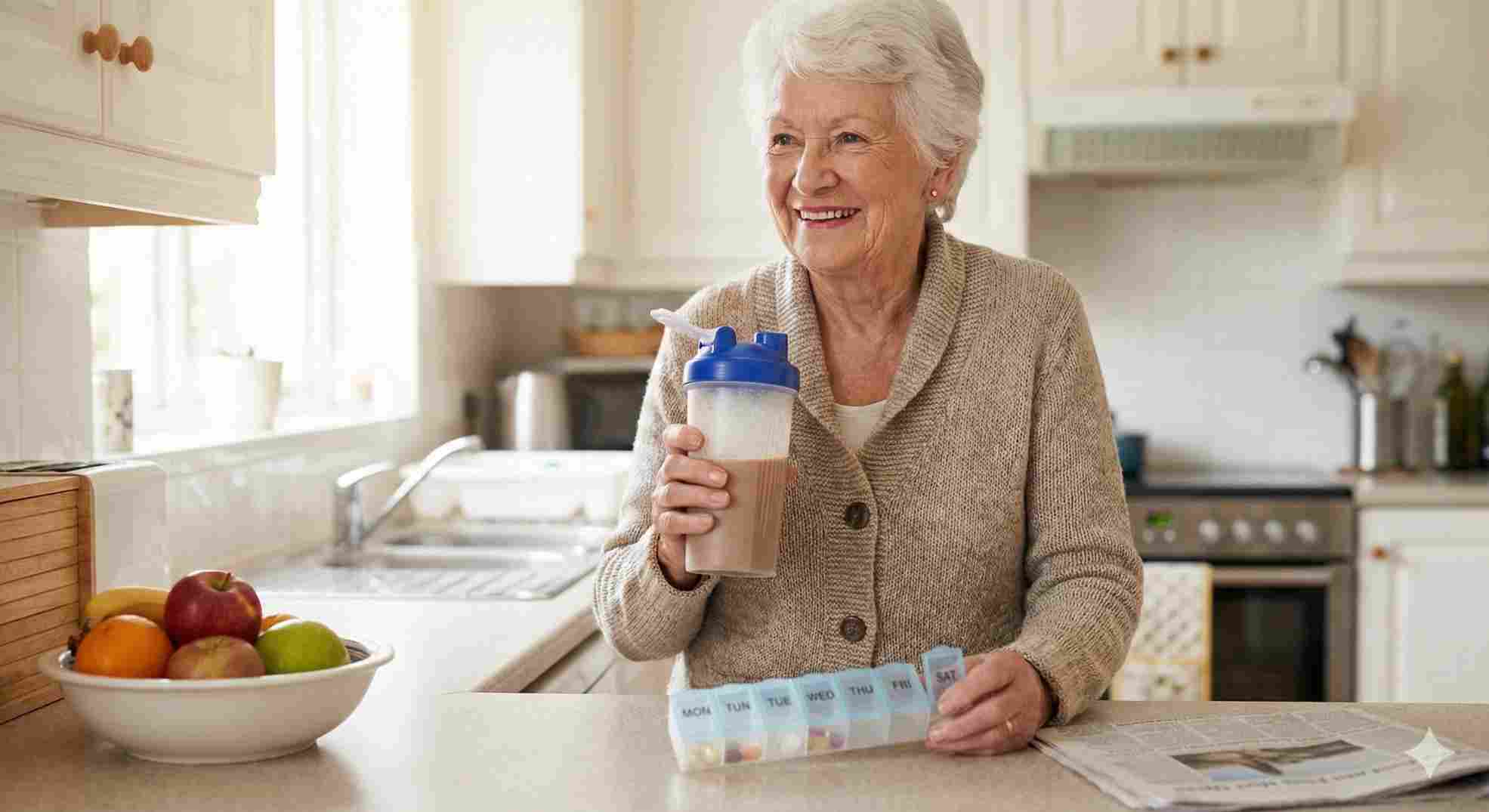
- The Move: Whey protein shakes or plant-based powders. It’s easier to drink a shake than chew a steak when you have no appetite.
2. B12 is Energy
Stomach acid declines with age. You need that acid to pull Vitamin B12 out of food. If you don’t have enough B12, you get weak, tired, and forgetful. It looks a lot like senility.
- The Move: Get a sublingual B12 tablet. It dissolves under your tongue and goes straight into your system.
3. Vitamin D + Calcium
Weakness often comes from bone pain or a fear of falling. Vitamin D isn’t just for bones; it helps muscles fire correctly.
- The Move: Most seniors need a supplement. Your skin just doesn’t make Vitamin D from the sun like it used to.
| Nutrient/Supplement | Rolen i Strength | Typical Source/Dose | Note for Seniors |
|---|---|---|---|
| Vitamin D3 | Supports muscle function & bone density. | 1000–2000 IU daily | Essential for preventing falls. |
| Vitamin B12 | Energy production & nerve health. | 500–1000 mcg (Sublingual) | Deficiency causes “false” dementia. |
| Leucine (Amino Acid) | The “trigger” for muscle building. | Found in Whey Protein | Critical for overcoming anabolic resistance. |
| Omega-3 | Reduces inflammation causing muscle loss. | Fish Oil capsules | Choose “burpless” to avoid digestion issues. |
The Danger Zone: The Beers Criteria
The American Geriatrics Society publishes something called the Beers Criteria. It’s a list of drugs that seniors should avoid if possible. If you see these on your list, don’t panic—and don’t just stop taking them. But do ask your doctor if there is a safer option.
1. Benzodiazepines (The “Z” Drugs)
These are drugs like Valium, Xanax, and sleep aids like Ambien.
- The Risk: They stay in your body way too long. They increase fall risk by 50%. They are also linked to memory loss.
2. Antipsychotics (for Dementia)
Unless the patient is a danger to themselves, drugs like Seroquel or Haldol shouldn’t be used to “calm down” dementia patients.
- The Risk: They carry a “Black Box” warning. They increase the risk of stroke and death in elderly patients with dementia.
3. Sliding Scale Insulin
This is when you use fast-acting insulin to “chase” high blood sugar numbers.
- The Risk: It creates a roller-coaster. For a senior, low blood sugar (hypoglycemia) is actually more dangerous than slightly high blood sugar. It leads to falls and comas.
| Drug Class | Common Brand Names | Risk Level | Better Strategy |
|---|---|---|---|
| Benzodiazepines | Xanax, Valium, Klonopin | HIGH | CBT for insomnia, Melatonin, or antidepressants. |
| Muscle Relaxants | Flexeril, Soma | HIGH | Topical heat, physical therapy, Lidocaine patches. |
| Tricyclic Antidepressants | Elavil (Amitriptyline) | MODERATE | SSRIs (like Lexapro) generally have fewer side effects. |
| Sulfonylureas | Glyburide (Diabetes) | HIGH | Metformin (if kidneys allow) or newer agents. |
Getting Organized
Managing pills for old people isn’t just about what you take. It’s how you take them.
The “Brown Bag” Trick
Once a year, dump every pill bottle, vitamin, and herbal supplement into a brown paper bag. Take it to your pharmacist. Not your doctor—your pharmacist. They are the chemical experts. Ask one question: “Is there anything in this bag I can stop taking?”
Ditch the Plastic Box
The standard Monday-Sunday plastic boxes are okay, but mistakes happen.
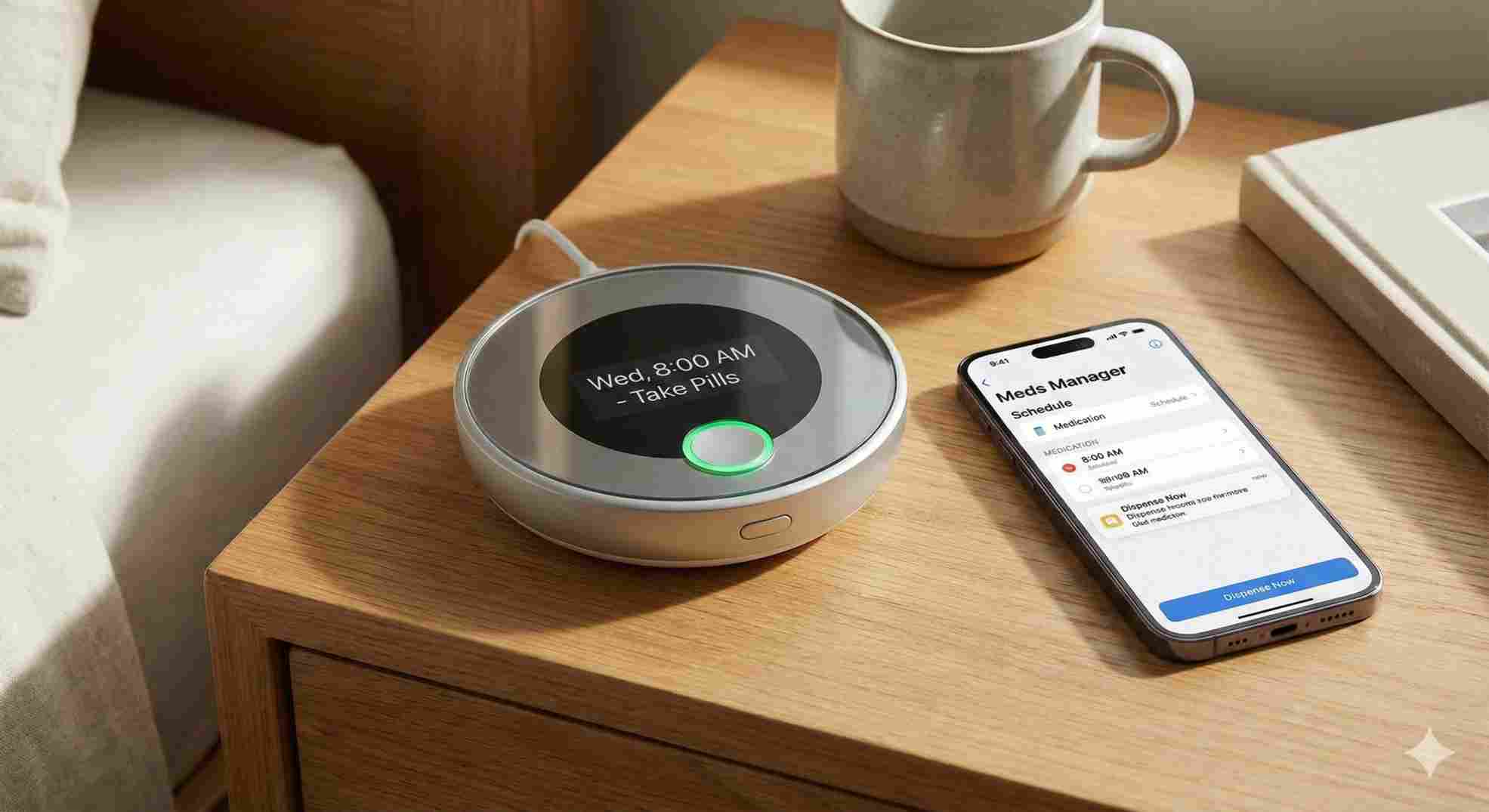
- Electronic Dispensers: These lock the meds up. They only open at the right time and beep until you take the pills.
- Blister Packs: Ask your pharmacy to “blister pack” your prescriptions. They sort them into bubbles for Morning, Noon, and Night. It stops the guessing game.
Bottom Line
The world of pills for old people is a balancing act. The goal isn’t to have an empty medicine cabinet. It’s to have a safe one.
If you notice new symptoms—dizziness, fatigue, confusion—don’t just assume it’s “old age.” It might be the meds. Take control. Schedule a review with your pharmacist today. Your health depends on it.
Disclaimer: This article is for information only. It is not medical advice. Always talk to a professional before changing your meds.
Ready to see real changes in the mirror? Try Mitolyn risk-free for 90 days and lock in today’s special discount before it expires
Frequently Asked Questions:
What is the best tonic for old age weakness?
There isn’t one. The best approach is increasing protein intake to fight muscle loss. You should also check your Vitamin D and B12 levels. Always talk to a doctor before buying “tonics,” as herbal ingredients can mess with heart medication.
Why is Benadryl bad for seniors?
Benadryl (diphenhydramine) is an anticholinergic. That means it blocks brain signals. In older adults, it causes confusion, stops you from peeing, and drastically increases the chance you will fall.
Why is Benadryl bad for seniors?
Some pills cause “pseudo-dementia.” Drugs like Xanax or Benadryl can cause confusion and memory loss that looks like Alzheimer’s. The good news? It often goes away once you stop the medication.
How do I get my parent to take their pills?
Make it simple. Ask the doctor if twice-daily meds can be switched to once-a-day versions. Use blister packs so they can easily see if they missed a dose.
What pain reliever is safe for kidneys?
Acetaminophen (Tylenol) is generally the safest choice. Ibuprofen and Aleve can cause sudden kidney damage in older adults.