
You know the feeling. It hits around 2:00 PM. That heavy, dragging weight behind your eyes. You didn’t sleep poorly. You aren’t lazy. You are likely dealing with mitochondrial dysfunction (a power outage at the cellular level) that standard mitochondria tablets often fail to fix.
Supplement companies love the word “energy.” It sells. They promise you focus, drive, and endurance if you just swallow their daily pill. But here is the hard truth they won’t put on the label: Most mitochondria tablets are dead on arrival.
They stuff pills with cheap antioxidants that your stomach acid burns up long before they ever get near your cells. You think you’re fixing your fatigue, but mostly, you’re just making expensive urine.
I’ve spent years looking at the biochemistry of performance. While I break down the entire industry landscape in my core investigation, The Mitochondrial Renaissance: A Deep Dive into Mitochondrial Support Supplements, today we need to focus strictly on the biggest trap in the aisle: the tablet.
If you want to actually fix your energy levels, you have to stop looking at the flashy names and start looking at how the stuff gets into your body.
Here is what works, what fails, and why your cells are likely starving.
Key Takeaways: The 30-Second Brief
The Problem: Most oral antioxidants (like regular CoQ10) have extremely poor absorption rates. You lose almost all of it in digestion.
The Solution: You need “Liposomal” delivery or ingredients like Urolithin A and PQQ that can actually survive your stomach.
The Reality: Tablets are usually the worst option. Softgels or liquids work better because they use fat to carry the nutrients.
The Verdict: It doesn’t matter what’s in the pill if it never gets inside your cells.
The “Mito-Hype” Problem: Why Tablets Usually Fail
Go to Amazon or Walmart. Look at the top “mito supplements.” You’ll see the same list everywhere: Alpha Lipoic Acid, Carnitine, CoQ10.
On paper? Looks great. In a petri dish? It works. In your body? Totally different story.
1. The Stomach Acid Pit
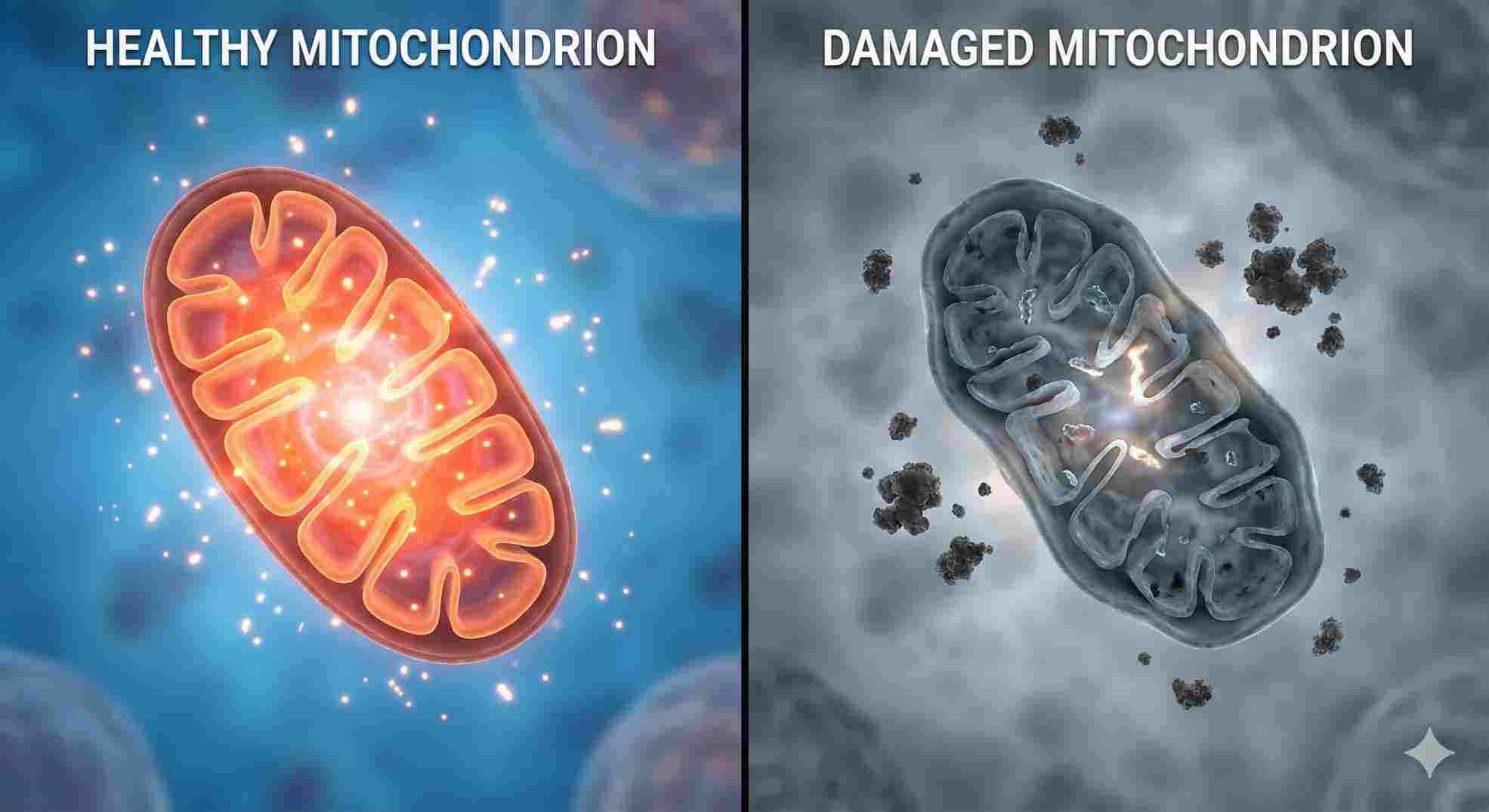
Your stomach is designed to destroy things. It’s an incinerator. Delicate molecules get shredded by acid before they ever reach your bloodstream. If a “mitochondria tablet” doesn’t have a special coating or a fatty layer (liposome) to protect it, you are losing up to 90% of what you paid for.
2. The Cellular Wall
Getting nutrients into your blood is only the first step. Getting them inside the mitochondria is the hard part. The mitochondria is like a fortress. It has double walls. It guards the inside to keep the electrical charge steady. Most cheap supplements just bounce off the walls and float away.
The “Big Three” Ingredients: What Actually Works?
I looked at the big brands—MitoQ, Hammer, the generic stuff. They all brag about their ingredients, but they never tell you about absorption. Let’s look at the real data regarding bioavailability and absorption.
Table 1: The Ingredient Breakdown
| Ingredient | The Promise | The Reality Check | Best For… |
|---|---|---|---|
| Standard CoQ10 | Boosts energy (ATP). | Fail. Terrible absorption. The molecule is too big to easily enter cells. | Basic heart health, not deep energy repair. |
| MitoQ (Mitoquinol) | Targeted antioxidant. | Strong. It has a positive charge that pulls it right into the mitochondria. | Cutting down oxidative stress. |
| Urolithin A | Triggers “Mitophagy” (Clean up). | Excellent. One of the only things proven to recycle old cells. | Muscle strength and aging. |
| PQQ | Grows new mitochondria. | Good. It helps build new hardware rather than just fueling the old. | Brain fog and thinking clearly. |
Do You Need a Tablet or a Softgel?
Words matter. A “tablet” is a compressed brick of powder. A “supplement” can be a softgel or liquid.
Skip the Tablets.
Tablets need glues and binders to hold their shape. Those binders make it harder to digest. Most mitochondrial nutrients (like CoQ10) are fats. They hate water. They need fat to be absorbed. A dry powder tablet is the wrong vehicle.
The “Fatty Meal” Rule:
If you have to take a tablet, eat it with an avocado, some olive oil, or fish oil. If you don’t eat fat with it, that expensive pill is going straight into the toilet.
The Science of “Mitophagy”: Taking Out the Trash
This is what most people miss. They want to fuel the engine (add gas). They forget to clean the engine (change the oil).
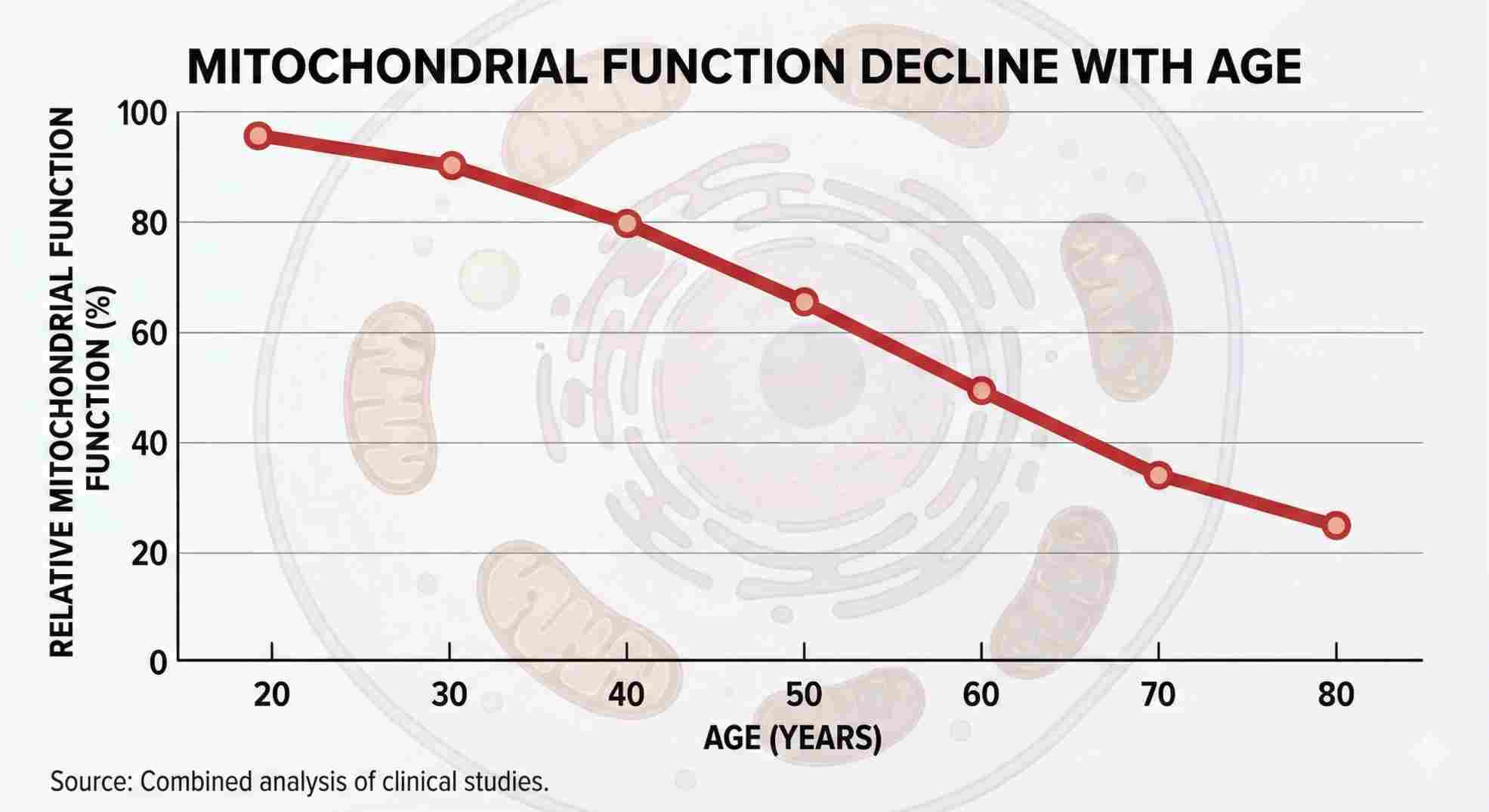
As you get older, your mitochondria break. They turn into “zombie cells.” They take up space, but they don’t make energy. If you just pump fuel into a broken engine, nothing happens.
You need Mitophagy. That’s the scientific name for your body eating its own dead cells to make room for new ones.
- Fasting does this naturally.
- Urolithin A (from pomegranates) does this chemically.
If your stack doesn’t support cleaning along with the fueling, you’re wasting your time.
Comparison: The Top Contenders
Let’s look at the numbers. Forget the brand names for a second. Here is the cost versus what you actually get.
Table 2: Market Snapshot (Cost vs. Reality)
| Brand / Type | Main Action | Absorption Score (1-10) | Monthly Cost |
|---|---|---|---|
| MitoQ | Targeted Antioxidant | 9/10 (High) | Expensive ($60+) |
| Timeline (Mitopure) | Mitophagy (Urolithin A) | 8.5/10 (Clinical) | Very Expensive ($100+) |
| Generic CoQ10 | Basic Fuel | 2/10 (Poor) | Cheap ($15) |
| Liposomal Formulas | Fat-Wrapped Delivery | 8/10 (Systemic) | Mid-Range ($40-$50) |
How to Build Your Own Routine
You don’t need to spend $100 a month to feel better. You can just be smarter about what you buy.
Step 1: The Foundation (Fuel)
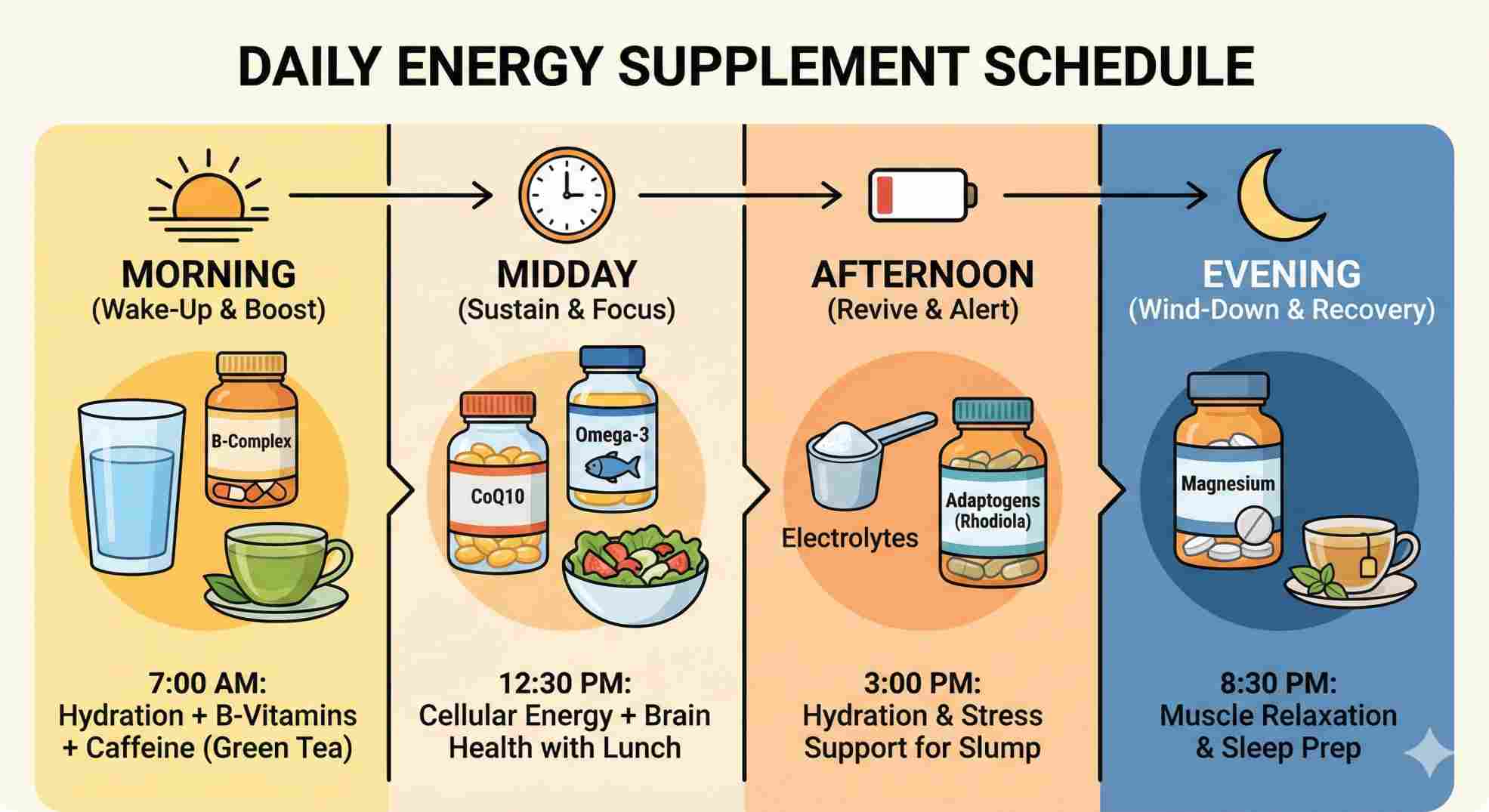
Get a high-quality Ubiquinol. That’s the active form of CoQ10. Do not buy Ubiquinone. Look for the “Kaneka” seal on the bottle. This gives your batteries the raw material they need.
Step 2: The Spark (Growth)
Add PQQ. Studies show 20mg of PQQ a day helps grow new mitochondria. It works well with CoQ10.
Step 3: The Cleanup (Recycling)
If you have the budget for Urolithin A, do it. If not, use Intermittent Fasting (skip breakfast). Fasting stresses the cells just enough to force them to clean house.
Conclusion: Stop Renting Energy. Start Owning It.
Fatigue is a warning light on your dashboard. It’s your body telling you the power plant is failing. You can keep taping over the light with caffeine and sugar, or you can pop the hood and fix the engine.
The data is simple: Skip the generic multivitamins and the cheap dust-filled tablets. Spend your money on delivery systems—liposomal, targeted, or reduced forms (Ubiquinol). Focus on the “Big Three”: Fuel (CoQ10), Growth (PQQ), and Cleanup (Urolithin A).
Your energy isn’t gone. It’s just locked behind a door. You just need the right key.
Ready to fix your fatigue?
Don’t guess. Flip the bottle over. If it doesn’t list the form of the vitamin, put it back. Your cells deserve better than generic dust.
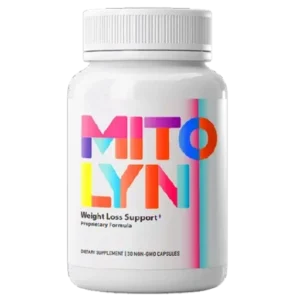
Ready to see real changes in the mirror? Try Mitolyn risk-free for 90 days and lock in today’s special discount before it expires
Frequently Asked Questions:
Can I just drink coffee instead?
Coffee borrows energy; it doesn’t create it. Caffeine just whips the horse to run faster. Mitochondrial support actually feeds the horse. You can do both, but coffee alone will eventually make you crash.
How long does it take to work?
This isn’t an energy drink. Fixing cells takes time. Most real studies show it takes 6 to 8 weeks to see a change. Give it two months before you decide it’s not working.
Are there side effects?
Usually no. But these stacks often have Magnesium, which can mess with your stomach. Start with a half dose to see how your gut handles it.
Why is this stuff so expensive?
Extraction. Getting pure molecules like Urolithin A is hard lab work. Cheap vitamins are made in a factory. Real mitochondrial nutrients have to be carefully extracted and stabilized. That costs money.