
My grandfather was 82 when I found a drawer full of unopened vitamin bottles in his kitchen. He wasn’t “forgetting” to take them. He was hiding them. This simple act of rebellion opened my eyes to the vital importance of switching to liquid supplements for elderly adults who struggle with swallowing traditional pills.
“They sit in my throat like stones,” he told me. That was the moment I realized we were looking at senior nutrition completely wrong. We obsess over what to take—more calcium, more B12—but we ignore the physical reality of taking it. If swallowing a tablet feels like a choking hazard, it doesn’t matter how “high potency” it is.
It’s not going to get used. In 2026, we know better. Between the natural slowing of digestion and the rise of new medications that shrink appetite, the old “one-a-day” tablet is becoming obsolete for anyone over 70. This isn’t just about comfort. It’s about biology. You may already be exploring Longevity Supplements: The Reality Behind the Hype, but even the best ingredients fail if they aren’t absorbed. Let’s talk about why liquid nutrition is the smartest switch you can make this year.
Quick Summary
- The swallowing problem is real: Roughly 1 in 3 seniors has trouble swallowing pills (dysphagia). Liquid options remove that anxiety immediately.
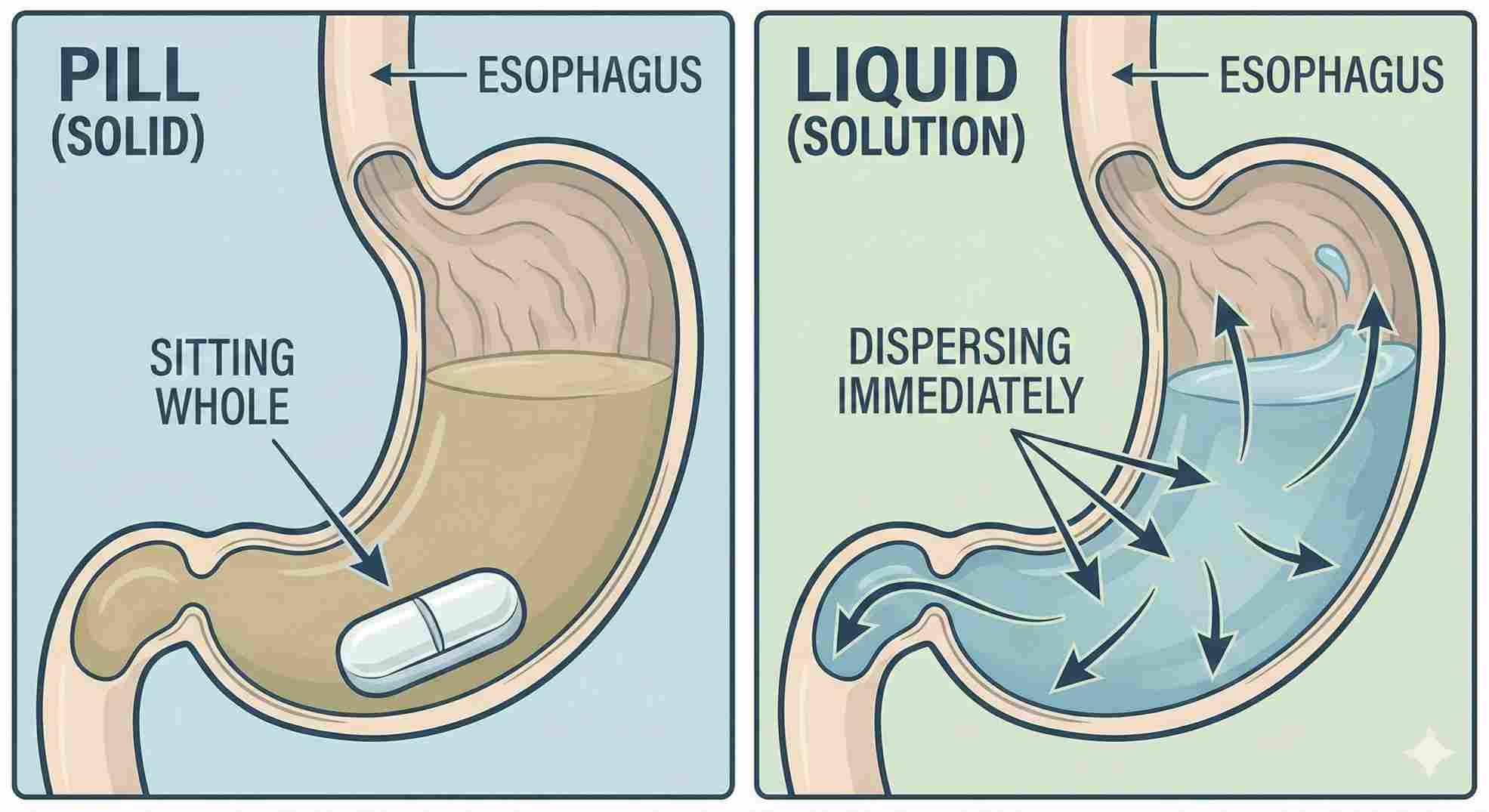
- Stomach acid drops with age: Tablets rely on strong acid to break down. Older stomachs often don’t produce enough, meaning pills can pass through undissolved.
- New tech matters: Look for “Liposomal” on the label. It’s a fancy word for a simple concept: wrapping vitamins in fat so your body absorbs them better.
- Watch the B12: If you buy nothing else, get a liquid Methyl-B12. It’s critical for brain health and notoriously hard to absorb from pills.
The Reality of “Absorption” (It’s Not What You Think)
You’ll see ads claiming liquid vitamins absorb “98% better” than pills. That’s marketing hype. But there is a kernel of truth that actually matters for seniors. In a young, healthy gut, a tablet dissolves fine. But as we age, the lining of the gut thins out. The muscles that push food down (peristalsis) get weaker. Think of it like this: A tablet is a compressed brick. Your body has to smash that brick into dust, then mix it with liquid, then absorb it. A liquid supplement skips the labor. It arrives in your stomach pre-dissolved. For a senior with low energy or digestive issues, that head start makes a massive difference. You aren’t forcing an aging system to do heavy lifting just to get basic nutrients.
Why Liquid? Three Problems, One Solution
We are seeing a shift toward liquids for three very specific medical reasons.
1. The Fear of Choking
Medical folks call it “Dysphagia.” Seniors call it “scary.” When throat muscles weaken, a large calcium pill can feel like a blockage. I’ve spoken to dozens of seniors who skip their meds simply because they dread the act of swallowing them. Liquid supplements—especially those with a slightly thicker, nectar-like consistency—slide down without the drama.
2. The “Ozempic Effect”
A lot of older adults are now on medications like Ozempic or Mounjaro for diabetes or weight control. These drugs work by making you feel full. Really full. If you ask someone on these meds to eat a big spinach salad for iron, they can’t do it. They just don’t have the appetite. A one-ounce shot of liquid multivitamins packs the nutrients of a meal into a volume smaller than a shot glass. It’s efficient.
3. The Acid Issue
You need stomach acid to melt the glues and binders that hold pills together. But up to 35% of seniors have Hypochlorhydria (low stomach acid).
- The result: You swallow a pill, and it leaves your body largely intact.
- The fix: Liquids don’t need acid to break down. They are ready to go the second they hit your tongue.
The 7 Nutrients You Should Be Drinking
Not every vitamin needs to be liquid. But for these seven, the liquid form is vastly superior for older bodies.
1. Vitamin B12 (For the Brain)
B12 is huge for memory and energy. The problem? Your stomach needs a special protein called “intrinsic factor” to pull B12 out of a pill. Seniors make less of this protein. The Fix: Get a liquid Methylcobalamin. If it’s a drop you put under your tongue, even better. It absorbs directly into the blood, bypassing the stomach entirely.
2. Vitamin D3 (For Bones)
We all know we need it. But D3 is fat-soluble. It hates water. The Fix: Look for liquid D3 drops suspended in MCT Oil or Olive Oil. The oil acts like a taxi, driving the vitamin right through the intestinal wall.
3. Magnesium (For Sleep and Cramps)
Magnesium pills are huge. They look like horse tranquilizers. The Fix: Liquid Magnesium Glycinate. It’s easy to sip, helps with leg cramps at night, and won’t send you running to the bathroom like cheap magnesium pills do.
4. Iron (For Energy)
Iron pills are famous for wrecking stomachs. Constipation, nausea—it’s nasty stuff. The Fix: Liquid iron (specifically Bisglycinate) is gentler. Plus, you can take a smaller dose.
5. Zinc (For Immunity)
Pills often contain Zinc Oxide, which is poorly absorbed. The Fix: Liquid Zinc Sulfate. Warning: Zinc tastes metallic. Mix this one into juice, don’t take it straight.
6. Collagen (For Skin and Joints)
You can’t fit a meaningful dose of collagen into a pill. You’d have to take ten of them. The Fix: Liquid collagen peptides. You can stir them into your morning coffee. They’re tasteless and help keep thin skin from tearing easily.
7. Electrolytes (Hydration)
Dehydration is a constant risk for seniors. The Fix: Adding a liquid electrolyte squirt to water makes it taste better, which encourages drinking more.
Liquid vs. Pills vs. Gummies: The Breakdown
Let’s be honest about the trade-offs.
| Feature | Liquid Supplements | Standard Pills | Gummies |
|---|---|---|---|
| Ease of Swallowing | Best (No choking risk) | Worst | Okay (But stick to teeth) |
| Absorption Speed | Fastest | Slow | Medium |
| Ingredients | Cleaner (usually) | Full of binders/glue | Full of Sugar |
| Cost | Expensive ($$$) | Cheap ($) | Medium ($$) |
How to Shop Smart (Don’t Get Ripped Off)
There is a lot of junk on the shelves. Here is how to filter the good from the bad in 30 seconds.
1. Check the Sweetener
Liquid vitamins taste like minerals (dirt) if they aren’t sweetened. But you don’t want sugar.
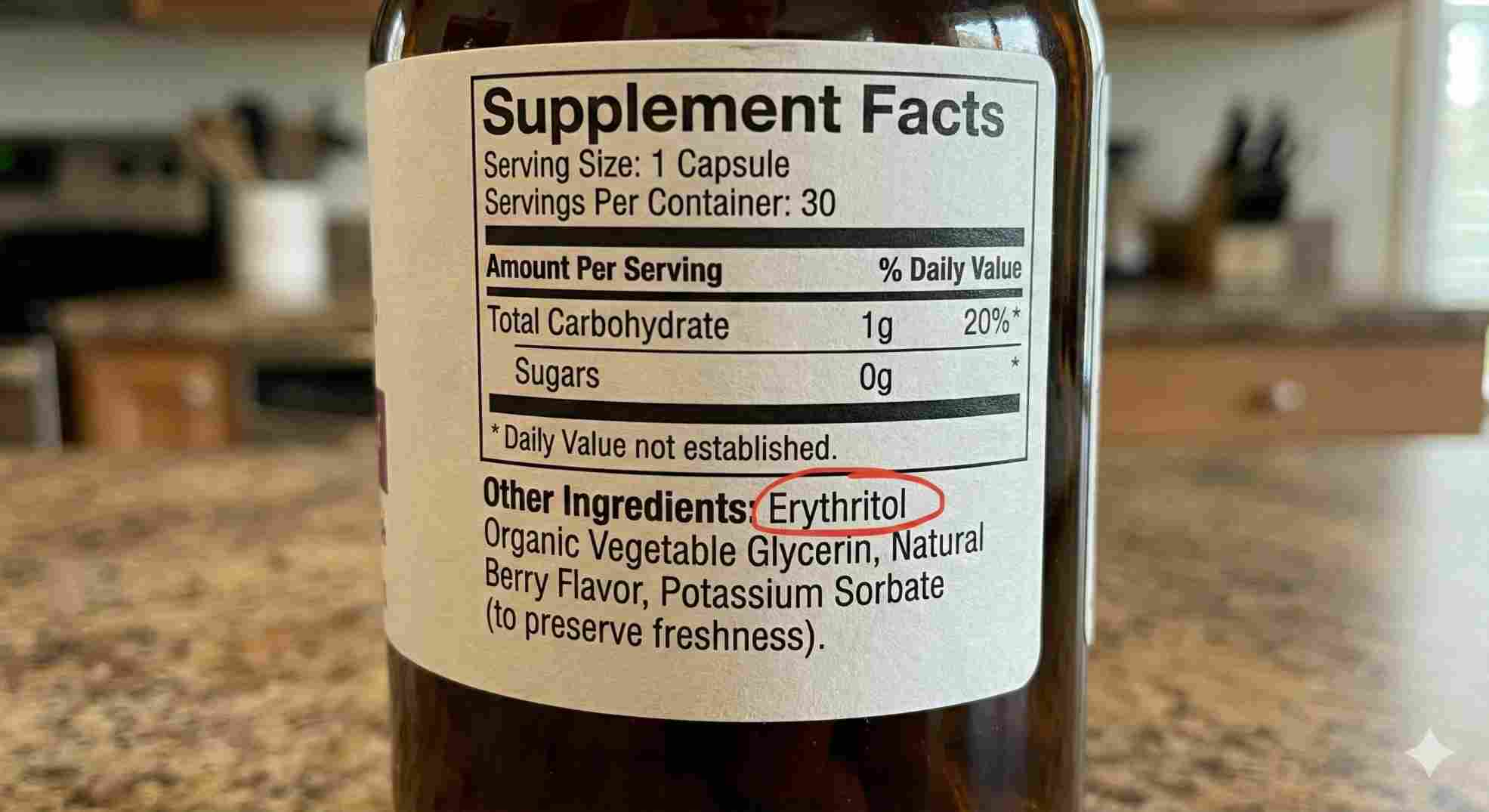
- Good: Stevia, Monk Fruit, Erythritol.
- Bad: High Fructose Corn Syrup, Cane Sugar (unless it’s less than 2g).
- Ugly: Sucralose or Aspartame. Seniors often have sensitive guts; artificial sweeteners can cause bloating.
2. Look for “Liposomal”
If you can afford it, buy Liposomal. It uses fat bubbles to protect the vitamin. It costs about 20% more but works about 300% better.
3. The “Proprietary Blend” Red Flag
If the bottle says “Senior Health Blend: 200mg” but won’t tell you exactly how much of that is B12 and how much is just grape juice, put it back. You need to know exact dosages to avoid messing with your other meds.
A Serious Warning on Drug Interactions
Liquids hit your bloodstream fast. That is usually good, but it can be dangerous if you are on certain meds.
- Blood Thinners (Warfarin/Coumadin): Be extremely careful with Vitamin K. Many liquid multivitamins add it in. Vitamin K helps blood clot—the exact opposite of what your medication is doing.
- Thyroid Meds: Calcium interferes with thyroid drugs. Even liquid calcium needs to be taken 4 hours apart from your thyroid pill.
- Antibiotics: Magnesium can neutralize some antibiotics. If you get an infection and go on meds, stop the magnesium for a few days.
Final Thoughts: Is It Worth the Switch?
If you or your parent is fighting with pill bottles every morning, the answer is yes. The best supplement in the world is the one you actually take. If a berry-flavored liquid shot replaces a stressful battle with a glass of water and a handful of dry tablets, that is a win. Start small. Swap out the Multivitamin and the B12 first. See how your stomach feels after a week. You might be surprised at how much more energy you have when your body isn’t fighting to digest its own support system.
Disclaimer: I am a writer and researcher, not a doctor. This article is for information only. Always bring your supplement bottle to your doctor or pharmacist to check for interactions before starting something new.
Ready to see real changes in the mirror? Try Mitolyn risk-free for 90 days and lock in today’s special discount before it expires
Frequently Asked Questions:
Can I just crush my pills and mix them with water?
Please don’t. Some pills are “time-release,” meaning they are designed to dissolve slowly over 12 hours. If you crush them, you get 12 hours of drugs in 10 minutes. That can be dangerous. Always ask a pharmacist first.
Do I need to keep these in the fridge?
Usually, yes. Once you open the bottle, air gets in. Since good liquid vitamins don’t have heavy preservatives, they can spoil. The fridge keeps them fresh.
Why are liquid vitamins so expensive?
Shipping water is heavy. Glass bottles are fragile. Plus, keeping a liquid stable without loading it with chemicals is chemically difficult. You are paying for the technology, not just the vitamin.
Can I mix them into hot coffee?
No. Heat kills Vitamin C and B vitamins instantly. Mix them into warm or cold drinks only.