

 The Mitochondrial Reset: How to Increase Cellular Energy for Peak Performance
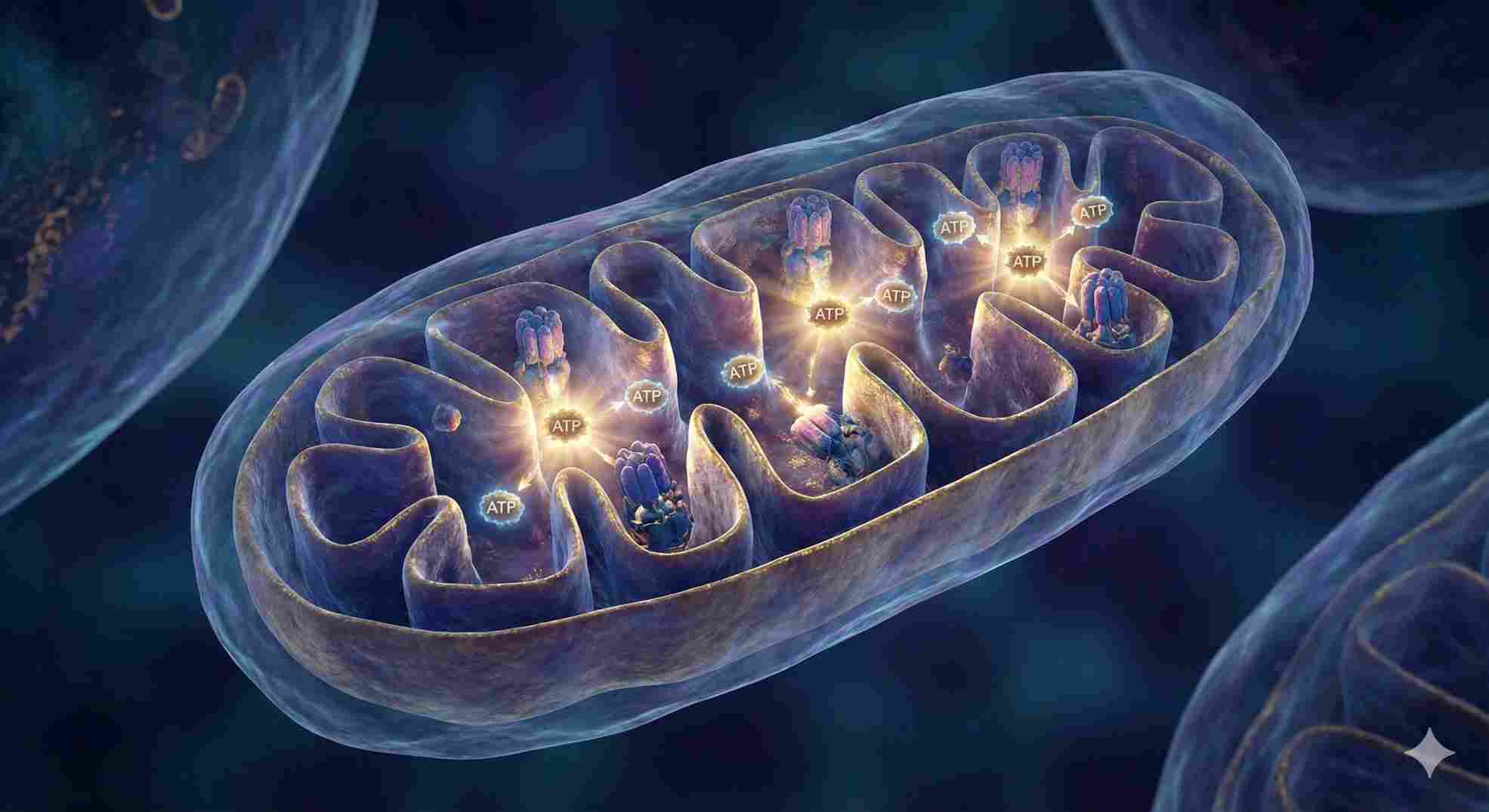
You probably think of your body as a single unit, but it’s actually a massive collection of tiny engines. Most people try to fix low energy by dumping more fuel—usually caffeine or sugar—into the tank, but that’s like trying to fix a car with a broken engine by adding high-octane gas. It simply doesn’t work. If you truly want to master how to increase cellular energy for real, lasting vitality, you don’t need more stimulants; you need better engines. You need to focus on your mitochondria.
Key Takeaways
- ATP is Currency: Your body runs on Adenosine Triphosphate (ATP); increasing cellular energy requires optimizing the production of this molecule.
- Mitochondrial Biogenesis: You can actually grow more mitochondria through specific stressors like zone 2 exercise and cold exposure.
- Nutrient Synergies: Magnesium, CoQ10, and PQQ act as the “spark plugs” for cellular respiration.
- Timeline: Significant cellular shifts take roughly 4 to 12 weeks of consistent lifestyle intervention.
Why Your “Battery” Is Always Low
Life today is essentially a war on your cells. We spend our time under artificial lights that mess with our internal clocks and eat processed oils that gunk up our cellular machinery. When these internal power plants start to fail, you don’t just feel a bit sleepy; you get that heavy brain fog, you take forever to recover from a workout, and you age faster than you should.
To figure out how to increase cellular energy, you have to understand a fundamental truth: your mitochondria are actually sensors. They aren’t just there to churn out power; they are constantly checking to see if your environment is safe. According to research on mitochondrial health and aging, when your body is stuck in a state of high stress or inflammation, your mitochondria “downshift” their production as a survival tactic. You aren’t lazy; your cells are just playing defense.
Related Guide: If you want to dive deeper into the specific compounds that fuel these cellular reactions, read our comprehensive The Ultimate Guide to Mitochondria Supplements to learn how to biohack your internal energy plants.
The Protocol: 5 Pillars of Cellular Power
1. The Right Kind of Movement
Most people think “going harder” is the answer, but for your cells, “going steady” is often better. Zone 2 Cardio—the kind of pace where you can still talk but your heart rate is up—is the secret to mitochondrial volume. This specific intensity forces your cells to burn fat more efficiently and, more importantly, tells your body to build entirely new mitochondria.
2. Getting Comfortable with the Uncomfortable
Saunas and ice baths are popular for a reason. There’s a biological concept called hormesis, which basically means a little bit of stress makes you stronger. When you hop in a cold lake or a hot sauna, you’re triggering a “master switch” in your DNA (specifically PGC-1alpha) that orders your body to upgrade its energy production system. Clinical data from PubMed suggests these thermal stressors are among the fastest ways to trigger mitochondrial biogenesis.

3. Giving the Engines the Right Parts
Think of your mitochondria like a fire. You need the logs (food), but you also need the spark plugs. While lifestyle habits are the signal, your body requires specific micronutrients to execute those orders. For those looking to optimize their intake, following a dedicated mitochondria supplement guide is the most efficient way to ensure you are providing the raw materials needed for ATP production.
Table 1: Nutrient Sources for Cellular Support (Scroll right for more info)
| Nutrient | What it Does for You | Where to Get It | Pro Tip |
|---|---|---|---|
| CoQ10 (Ubiquinol) | Moves energy through the cell | Beef heart, sardines | Always eat this with fat |
| Magnesium | Keeps energy molecules stable | Dark chocolate, spinach | Try the glycinate form |
| PQQ | Helps grow new “engines” | Kiwi, parsley | Works best with CoQ10 |
4. Fix Your Light, Fix Your Life
Your mitochondria actually have their own sense of time. When you see the sun in the morning, it triggers repair mechanisms inside your cells. On the flip side, staring at a phone screen late at night tells your mitochondria to stay in “day mode,” which prevents them from cleaning themselves up while you sleep. Experts at Harvard Health emphasize that protecting your circadian rhythm is non-negotiable for metabolic health.
5. Stop Constant Grazing
If you’re eating every two hours, your cells never have to work for their fuel. They get lazy. Periodic fasting or even just giving your body 12-14 hours without food overnight forces your mitochondria to switch from burning sugar to burning fat. This is a much “cleaner” process that creates less cellular waste.
The Efficiency Gap: Tools for the Job
Not every strategy works the same way. Some are just quick fixes, while others change your biology fundamentally.
Table 2: Stimulation vs. Optimization (Scroll right to compare)
| Method | What’s Actually Happening? | How Long It Lasts | The Real Result |
|---|---|---|---|
| Caffeine | It just hides your tiredness | A few hours | Can cause a crash later |
| Zone 2 Training | Builds bigger, better cells | Years | Permanent energy boost |
| Red Light | Charges the cell directly | A day or two | Fast recovery |
How Long Does It Take to Increase Mitochondria?
Everyone wants a fast fix, but biology takes time. You’re essentially trying to rebuild a house while you’re still living in it. While you might feel a mental lift within a few days of better sleep or a new supplement, the actual physical act of growing new mitochondria—the answer to how long does it take to increase mitochondria?—usually takes about 4 to 6 weeks of steady work.
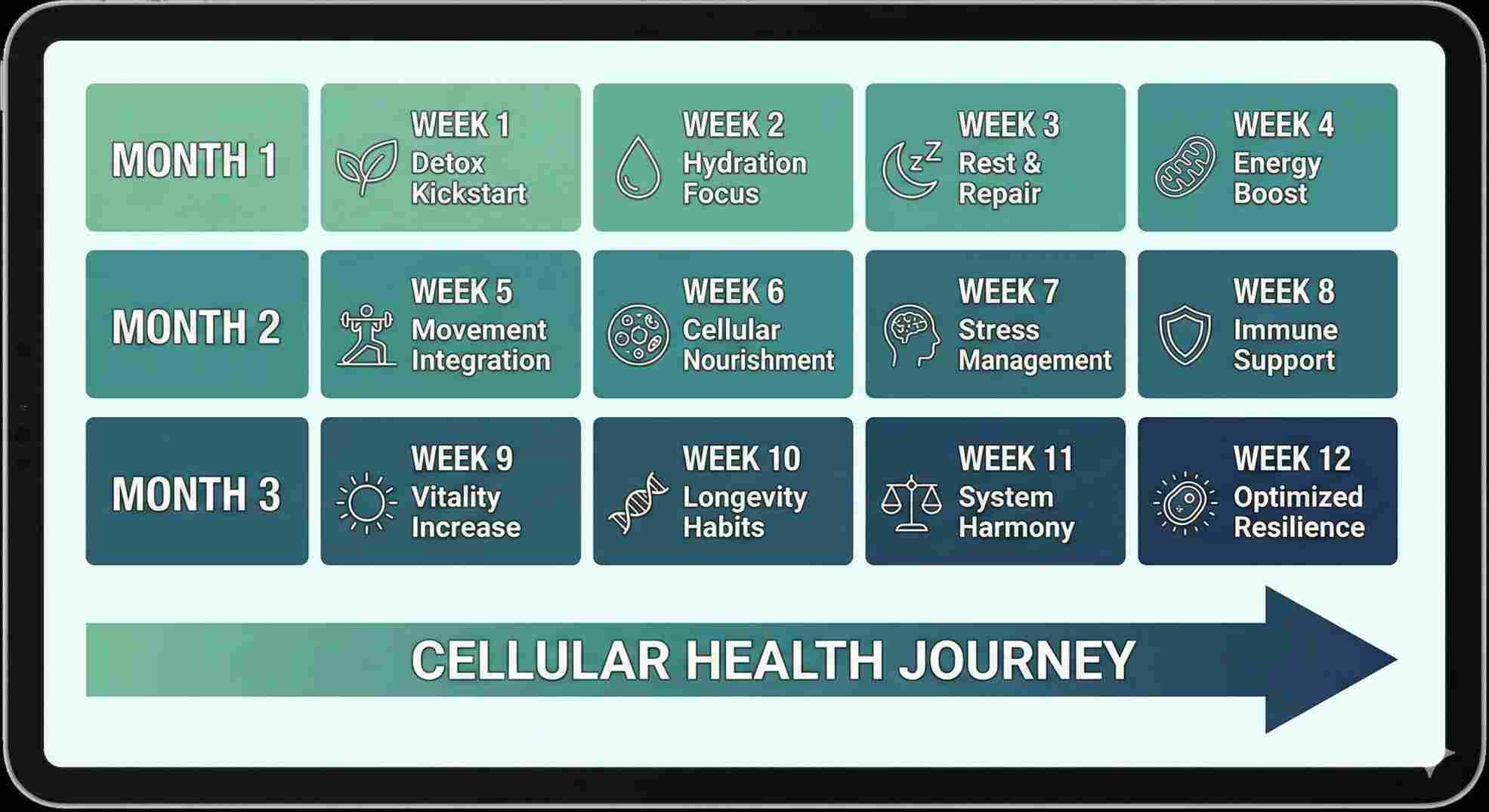
If you’re a pro athlete, you can see changes in about 10 days. But for the rest of us, think of it as a 90-day project.
The Stages of Progress:
The First 2 Weeks
You stop feeling so drained after a long day at the office. Your “second wind” comes easier.
Month 2
Your baseline energy is higher. You don’t reach for that 3 PM coffee because you simply don’t need it.
Month 3
Your metabolism has shifted. You’ve achieved metabolic flexibility, a state often highlighted in Nature Portfolio journals as the peak of cellular efficiency.
Advanced Fueling and Cell Wall Integrity
To truly master how to increase cellular energy, you have to look at your cell walls. Your mitochondria are wrapped in membranes made of fats. If you eat junk, “leaky” membranes are the result, which causes energy to “leak” out before it can be used. Fixing this requires high-quality phospholipids and fat-soluble antioxidants often found in a professional-grade cellular health regimen.
Table 3: Advanced Mitochondrial Supplementation (Scroll right for targets)
| Supplement | How Much? | Best Practice | The Goal |
|---|---|---|---|
| Creatine | 5 grams | Take it every day | Fast energy recycling |
| Resveratrol | 500mg | Take with fat | Activates longevity genes |
| Carnitine | 1000mg | On an empty stomach | Shuttles fat into the fire |
Conclusion: Get Your Power Back
The secret to how to increase cellular energy isn’t buried in a lab; it’s about aligning your daily habits with how your body was designed to work. By moving consistently, managing your light, and feeding your cells the right building blocks, you aren’t just getting through the day—you’re upgrading your entire system. If you are ready to take the next step in your biohacking journey, start by reviewing our ultimate guide to selecting the right tools for the job.
Your next step: Don’t try to do everything at once. Pick one thing—maybe a 30-second cold blast at the end of your shower or a 20-minute morning walk—and stick to it for the next 4 weeks.

Ready to see real changes in the mirror? Try Mitolyn risk-free for 90 days and lock in today’s special discount before it expires
Frequently Asked Questions:
Does coffee actually help my cells?
Not really. It just blocks the signal that tells your brain you’re tired. It’s like putting a piece of tape over the “low battery” light on your dashboard. The battery is still low; you just can’t see the warning.
Can I do this just by changing my food?
Diet is the foundation, but your body needs a reason to change. Without the hormetic stress of exercise or temperature changes, your body won’t see a reason to build more energy plants.
Is there a cap on how much energy I can have?
Your body is efficient. It won’t keep extra mitochondria around if you don’t use them. If you stop being active, your body will “prune” them away to save resources.
What if I’ve been out of shape for years?
The first two weeks will be the hardest. Your cells are “rusty.” But by week four, your body gets the message and starts the upgrade process.