
For the longest time, biology classes taught us a pretty grim lesson regarding the question can mitochondria be repaired: once your mitochondria (the power plants in your cells) get damaged, they’re toast. The cell supposedly had to destroy the whole unit and build a new one from scratch.
It turns out, that wasn’t the whole story.
In late 2024, researchers dropped a bombshell study in Nature that changed how we look at aging. They found that your mitochondria actually have a built-in “surgical kit.” Instead of scrapping the whole engine because of one bad part, they can pinch off just the damaged sections and recycle them.
If you’ve been feeling “old,” tired, or just mentally foggy, this is huge. It means the decline in your energy isn’t a one-way street.
Yes, mitochondria can be repaired. And the best part? You don’t need a prescription to make it happen. You just need to know which buttons to push.
The 30-Second Summary
- The Answer: Yes, dysfunction is reversible (this is different from genetic disease).
- The Discovery: A process called VDIM formation lets cells recycle broken parts without killing the whole mitochondrion.
- The Timeframe: You can see real changes in density in about 8–12 weeks.
- The Fix: It comes down to Zone 2 cardio, “uncoupling” foods, and a few specific nutrients.
The “VDIM” Breakthrough (Why Your Cells Are Smarter Than We Thought)
We used to think the body only had one way to handle broken mitochondria: Mitophagy. Think of it like junking your car because it has a flat tire. The cell would tag the defective unit, eat it, and build a fresh one.
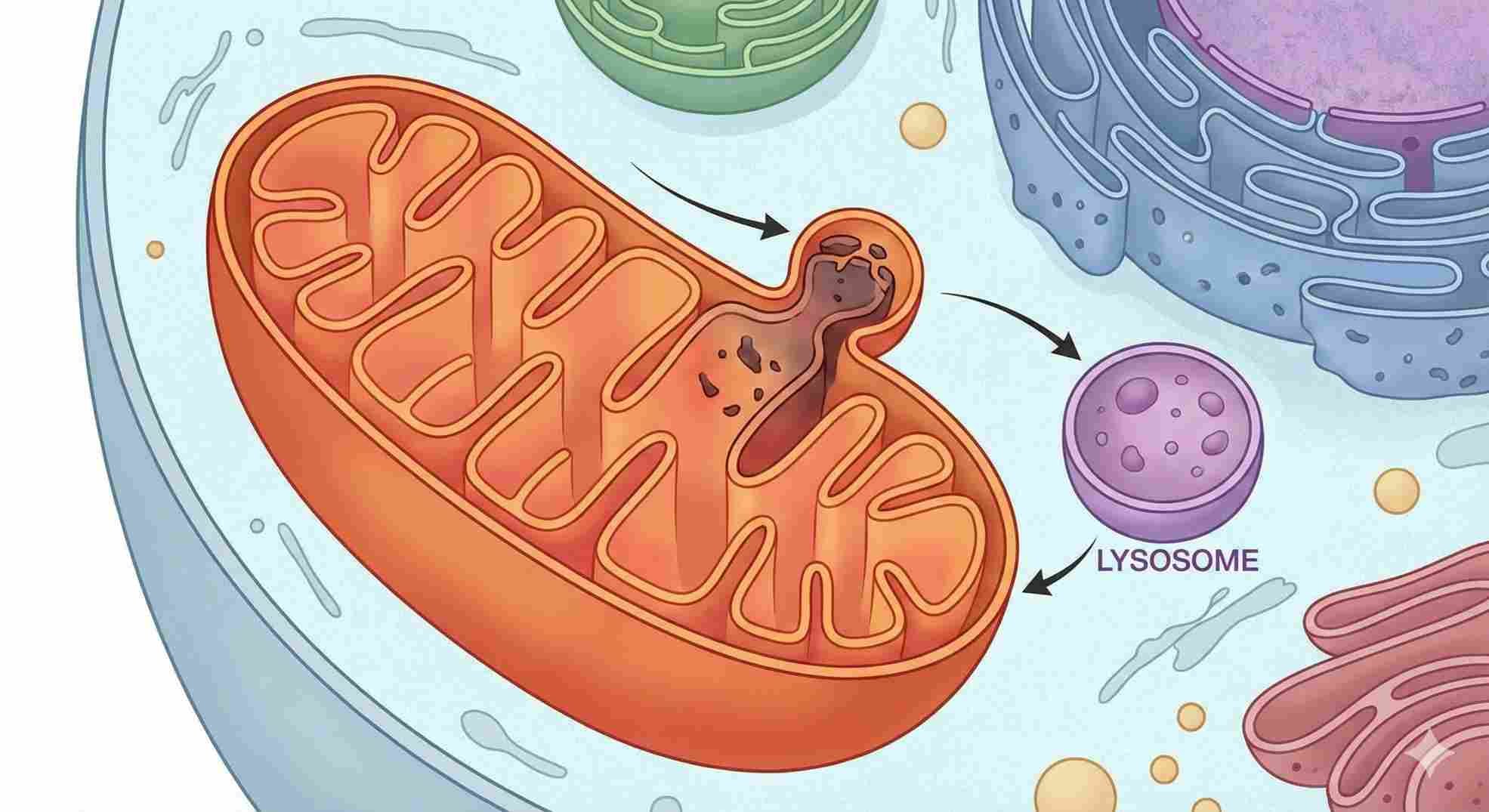
But the new findings from Dr. Nicola Jones and her team at SickKids revealed a second option: Vesicles Derived from the Inner Mitochondrial Membrane (VDIMs).
Here is the simple version: VDIMs are like a self-cleaning oven. When the inner machinery of a mitochondrion gets damaged by stress or toxins, the mitochondrion bundles up only the bad stuff and ejects it. It sends that trash to the lysosome (the recycling center) but keeps the rest of the engine running.
Why should you care? Because your body is fighting to stay young. It doesn’t want to die off; it wants to repair and replace damaged parts. You just have to give it the right environment to do that work.
Dysfunction vs. Disease: Know the Difference
Before we get into the “how-to,” let’s be clear about what we are fixing. There are two very different types of mitochondrial issues.
(Use the table below to see the difference)
| Feature | Mitochondrial Dysfunction | Mitochondrial Disease |
|---|---|---|
| Cause | Aging, toxins, poor diet, sitting all day. | Genetic mutations you are born with. |
| Reversibility | Highly Reversible with lifestyle changes. | Generally incurable (managed by doctors). |
| Symptoms | Fatigue, brain fog, weight gain. | Severe muscle weakness, seizures, organ failure. |
| Prevalence | Almost everyone over 40 has some. | Rare (approx. 1 in 5,000 people). |
Note: We are talking about fixing lifestyle damage here, not rewriting your DNA.
3 Real Ways to Repair Mitochondria (That Actually Work)
If you are Googling how to increase cellular energy, you usually get vague advice like “sleep more.” That’s not helpful. To actually fix this, you need a three-step attack plan: Make new ones (Biogenesis), fix the old ones (VDIMs/Mitophagy), and stop the leaks (Uncoupling).
1. The “Zone 2” Strategy
High-intensity interval training (HIIT) gets all the glory, but for your mitochondria, Zone 2 cardio is where the magic happens.
When you exercise at a pace where you can talk but it feels a bit tough (think a brisk walk uphill), you force your cells to burn fat for fuel. This sends a very specific signal to your body: “We are running low on power. Build more engines.”
- The Plan: 45 minutes of steady cardio. Jogging, rucking, or cycling. Do it 3 or 4 times a week.
- The Result: You literally grow more mitochondria. It’s like upgrading your car from a V4 to a V12.
2. Learn to “Uncouple” (It’s Not a Relationship Thing)
This is a bit nerdy, but stay with me—it’s the secret weapon for longevity.
Normally, your cells turn food into energy (ATP). But if they work too hard, they leak toxic exhaust called ROS (free radicals). Uncoupling is like a pressure valve. It lets energy release as heat instead of trapping it. This saves the mitochondrion from burning out.
How to increase mitochondrial uncoupling naturally:
- Get Cold: Finish your shower with 30 seconds of freezing water. The shock activates UCP1 (Uncoupling Protein 1) to warm you up.
- Ketones: You don’t have to be keto forever, but intermittent fasting produces ketones that trigger this cleaning process.
- Spicy Food: Believe it or not, capsaicin (in chili peppers) wakes up these uncoupling proteins.
3. The Clean-Up Crew (Supplements)
Food is always first. But sometimes, you can’t eat enough organ meat to get the therapeutic dose you need. For a deep dive into exactly which stacks work best, check out The Ultimate Guide to Mitochondria Supplements.
Top Nutrients for Repair:
| Nutrient | What It Does | Food Sources | Dose |
|---|---|---|---|
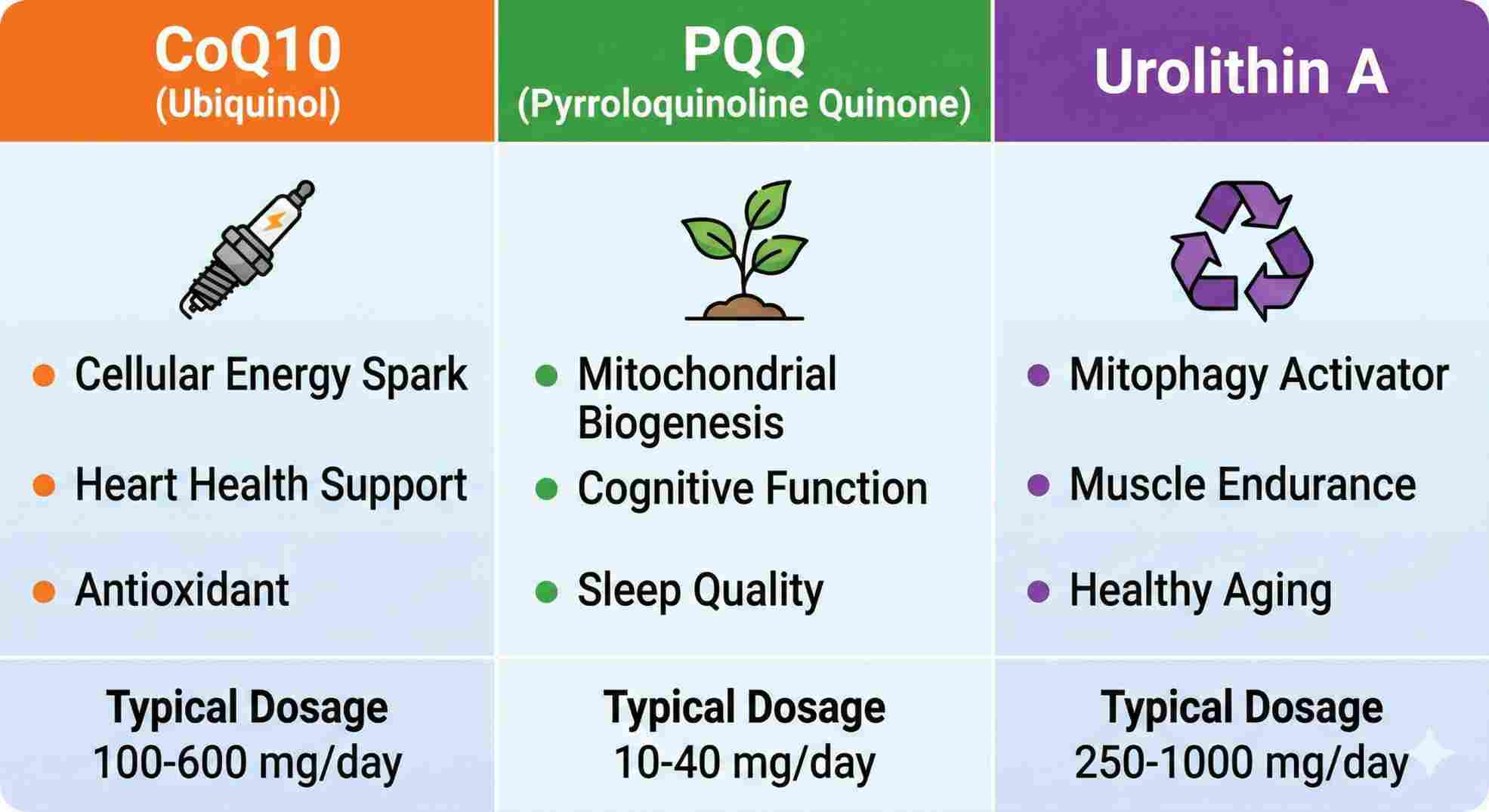
| CoQ10 (Ubiquinol) | The Spark Plug (Fuel) | Hearts, liver, oily fish. | 100mg – 200mg |
| PQQ | The Builder (Growth) | Parsley, green peppers, kiwi. | 10mg – 20mg |
| Urolithin A | The Recycler (Cleanup) | Pomegranates (gut converts it). | 500mg |
How Long Does It Take?
We all want instant results, but biology takes a minute. Here is the realistic timeline:
- 7 Days: Your enzymes start adapting. You might feel a little sharper.
- 4 Weeks: The structural repairs kick in. That VDIM process we talked about starts working more efficiently.
- 8–12 Weeks: Peak Density. This is the sweet spot. If you stick to Zone 2 training for three months, studies show you can measurably increase the volume of your mitochondria.
- The Good News: A single mitochondrion only lives for about 1–2 weeks before it gets recycled anyway. That means in just one month, you could have a mostly “new” fleet of engines.
Comparison: Where Are You Right Now?
Check this table to see where you stand.
| Stage | Status | How You Feel | What To Do |
|---|---|---|---|
| 1. Peak Function | Efficient repair, low waste. | High energy, clear head, fast recovery. | Keep doing what you’re doing. |
| 2. Stressed | Leaky engines, high stress. | Afternoon slump (2 PM), sugar cravings. | Urgent: Start cold showers & antioxidants. |
| 3. Dysfunctional | Low density, broken networks. | Chronic fatigue, rapid aging. | Critical: You need exercise & a doctor. |
The Bottom Line
Asking “can mitochondria be repaired?” isn’t just theoretical anymore. We now know our cells are constantly trying to fix themselves. The VDIM discovery proves it.
You don’t need a million dollars or a futuristic lab. You need to stress your body gently (exercise), cool it down (uncoupling), and feed it right.
Your Move: Tomorrow morning, skip the sugar, turn the shower knob to cold for the last 30 seconds, and go for a walk. Your cells will thank you.
Ready to see real changes in the mirror? Try Mitolyn risk-free for 90 days and lock in today’s special discount before it expires
Frequently Asked Questions:
Can you actually reverse mitochondrial dysfunction?
Yes, mostly. If it’s caused by aging or bad habits, you can fix it. Your skeletal muscle remembers how to be young; you just have to remind it. Genetic diseases are different, but lifestyle dysfunction is absolutely fixable.
What is the fastest way to heal them?
There’s no magic pill, but Intermittent Fasting (16:8) plus Zone 2 exercise is the quickest combo. Fasting takes out the trash (autophagy), and exercise builds new gear (biogenesis).
Is coffee bad for my mitochondria?
Nope. Actually, the polyphenols in coffee can help. Just don’t load it up with sugar and artificial creamers—that’s what causes the damage.
How do I know if it’s working?
Watch your energy levels. Instead of spiking and crashing, you should feel steady all day. Better focus and faster recovery after workouts are the first signs.
What about red light therapy?
It’s legit. Red and Near-Infrared light acts like a supercharger for an enzyme called cytochrome c oxidase. It helps your cells make energy more efficiently.